FIVE YEARS AFTER SURFSIDE: Florida Has Made Progress -- But the Hardest Work Is Still Ahead
PR Newswire
FORT LAUDERDALE, Fla., June 10, 2026
Five years after Surfside, structural engineer Greg Batista says inspections alone are not enough and that structural monitoring technology is the missing piece.
FORT LAUDERDALE, Fla., June 10, 2026 /PRNewswire-PRWeb/ -- Structural Engineer Greg Batista: Inspections Alone Are Not Enough

Five years ago on June 24, the collapse of Champlain Towers South in Surfside, Florida killed ninety-eight people and forced the nation to confront an uncomfortable truth: buildings can meet inspection requirements and still be in serious danger.
In the years since, Florida has responded with some of the strongest building safety reforms in the country. Milestone inspections and Structural Integrity Reserve Studies now require condominium associations to evaluate building conditions, document deterioration and plan financially for long-term structural repairs. Engineers must look beyond surface appearances. Owners are receiving clearer information about the buildings they live in.
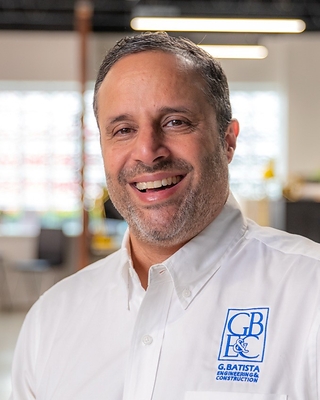
That progress is real. But according to Greg Batista, PE, CGC, SI — a Fort Lauderdale-based structural engineer with more than 35 years of experience who has been a leading expert voice since the collapse — the reforms enacted so far address only part of the problem.
"Florida has done the hard part by acting," said Batista. "What remains is ensuring that the intent of those reforms is carried through in practice and that we take the next step toward continuous oversight, not just periodic snapshots."
What Has Changed — And What Hasn't
Florida's legislation, including Senate Bill 4-D, has increased transparency and forced long-deferred conversations about building conditions and repair costs. But inspections, by their nature, remain snapshots in time.
Structural deterioration, particularly corrosion of reinforcing steel inside concrete, does not follow inspection schedules. It progresses quietly, internally and unevenly. In Florida's coastal environment, where humidity, salt air and chloride exposure accelerate deterioration, damage can advance significantly between inspection cycles.
Modern structural monitoring technology now allows engineers to track movement, vibration, strain, moisture intrusion and corrosion activity continuously — filling the gap that inspections alone cannot address. Other nations including Japan, Switzerland and China have already begun integrating structural health monitoring into oversight requirements for high-risk structures. The United States has not.
"Corrosion is inevitable in coastal concrete buildings," Batista said. "Structural decay is not. The difference is whether we are watching — and whether we act on what we learn."
About Greg Batista
Greg Batista, PE, CGC, SI, is a Fort Lauderdale–based structural engineer, certified general contractor and special inspector with more than 35 years of experience in structural inspections, concrete restoration, corrosion mitigation and building safety. He is President of G. Batista Engineering & Construction and has become a trusted voice on the risks facing aging coastal buildings in the aftermath of the Champlain Towers South collapse.
His white paper on structural monitoring technology and its application in Florida's coastal buildings is available at https://askgbatista.com/the-future-of-structural-modeling/.
He is available for interviews, on-camera commentary, expert analysis and background briefings.
Media Contact
Laura Markwardt, G. Batista Engineering & Construction, 1 (202) 670-5956, laura@foresight360.org, https://askgbatista.com/
 View original content to download multimedia:https://www.prweb.com/releases/five-years-after-surfside-florida-has-made-progress--but-the-hardest-work-is-still-ahead-302796345.html
SOURCE G. Batista Engineering & Construction

